Categories
Reflections vulnerability

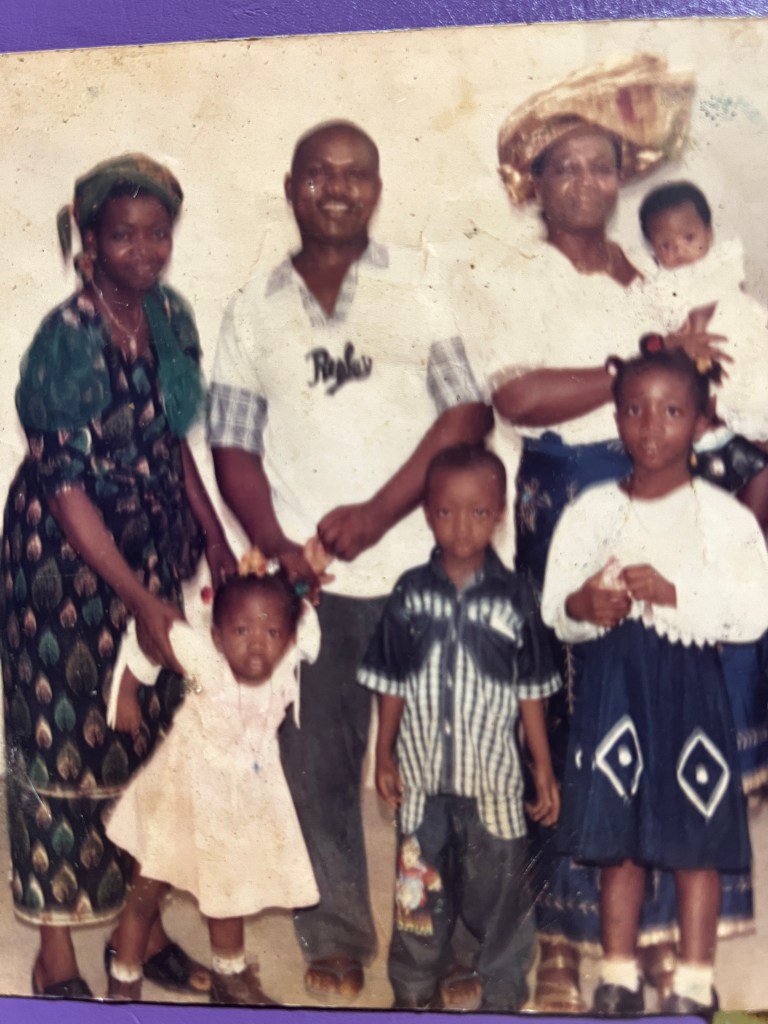
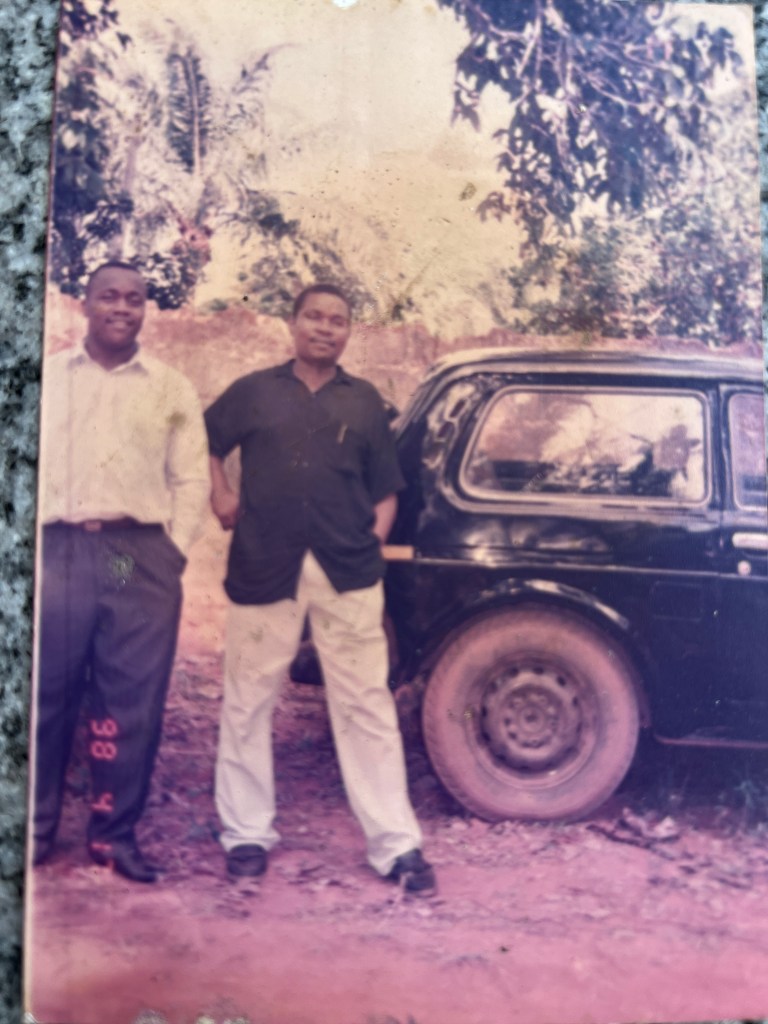
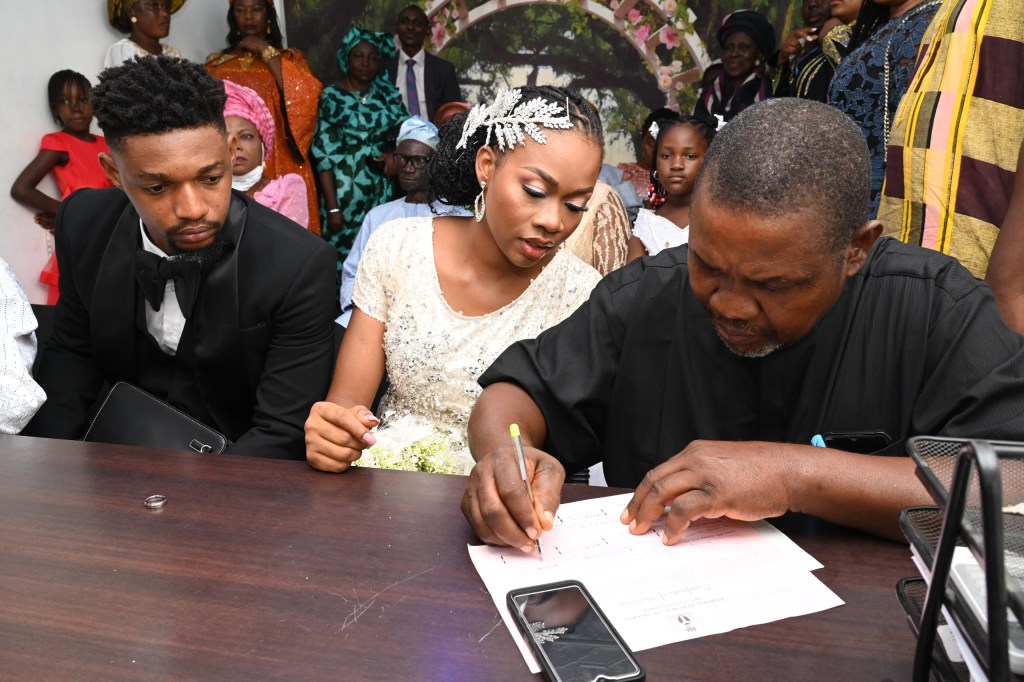
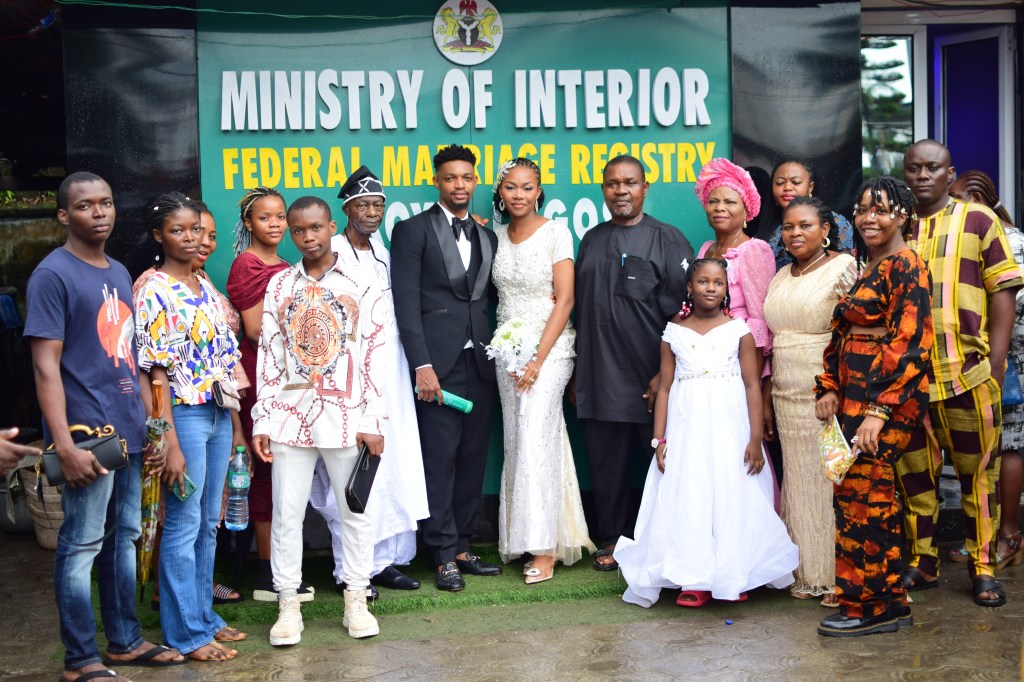
A Tribute to My Father, Edwin St. Edison Onyejieke Okolie

Transitioned: 20 July 2025. Burial: 3 January 2026

‘Ifunanya, daddy anwuola’ 
was the first announcement of your death, through Newman 
a memory that still sends shivers down my spine whenever I try not to think about it.

Those words, marked by shock, disbelief, trepidation, and fear, 
sent me into a wave of numbness I have not recovered from. 
My heart is pounding as I write this.

I lean into the Igbo understanding of death, 
searching for anything that tells me 
that you are still here.

Daddy,
you have returned to the earth.
You are in the wind, the sun, 
the rain splattering over my face.
You are in the air I breathe,
the books I read,
and the dreams I accomplish.

I didn’t realise what I had been missing until you transitioned.
I want to do everything ‘right’ now — but it is too late,
too late to do right by you.

Chizoba said you’ve transitioned into a form we cannot explain.
She told me to look at nature
and draw courage from there.
Autumn, fall, winter, summer
are all changing seasons.
Trees, pollination, insects, rivers, birds
how do we account for all of these?
Do I know more than my father’s chi?

My dad was only human. 
How did I never once imagine you could collapse?
Because you were my dad.
Because you were always there
sturdy, steady 
I didn’t see you could break.

I remember the feeling I had
as I stepped my feet into our compound at Ofufe 
after seeing you in the mortuary.
Mawuu said a parent’s death
yanks the ground from beneath one’s feet.
You were not there to welcome us.
Home no longer feels like home.

The sound I heard when I tried 
to move one foot in front of the other
was the sound of the ground beneath me 
crumbling away. 

How can I not feel like a stranger 
in my father’s house
when the earth beneath me has been yanked off?

Shalvah said loss is the accompaniment of love 
that it is better to love and lose
than to never love at all.
Now I understand why people want to go first, 
so they never have to bear the heartache 
of losing the ones they love.

Wouldn’t it be easier
never to have known you at all
than to feel this pounding ache?

But perhaps that’s what Amakanwa meant
when she said, ‘to love with our whole being, 
to give and receive love in all its splendour 
and then to mourn it when it’s taken from us
seems to be part of our fate 
in this incarnation.’

I look for you in many things.
And if I dared to imagine
that I might reflect your essence,
then on the days I look into the mirror
and see even a glimpse of you,
I realise I am my father’s daughter.

I lean into that feeling
still wondering why it took me
so long to recognise your face in mine.

May the Almighty God receive your gentle soul,
May the light of your spirit never fade.
May you find rest where there is no pain,
no burden,
no sorrow.

And when the time comes
for souls to return again,
in forms we may not fully understand,
may you come back renewed,
whole,
and surrounded by love.

May your journey beyond this world be gentle and full of light,
and may your memory continue to guide us.
Amen.

— Ifunanya Okolie,
Always, your daughter.

Categories
Reflections Travel vulnerability

Experiencing Time and Mortality Between Landings

Today, I fainted. Or not.

I do not know what I’ve just experienced; however, it was not good. On the plane from Lagos to Nairobi, I was ready, eager, and anticipating my first visit to the Land of the Big Five, going through the series of events I had experienced with customs and the airport officials in my head.

I had journalled at the boarding gate. This trip was going to be the one that would break me out of my writing hiatus. I would journal every day. I told myself this was not going to be like my Cape Town trip where I felt overwhelmed upon my return because I had experienced a lot and didn’t know where to start.

It was going well. I had started my adventure on the plane with Young Sheldon on the little screen in front of me. I was by the window, and felt very accomplished in how I had managed the whole planning for this trip, from the e-visa to booking my flights, and even checking in online and getting a window seat without paying extra for it. I reached for the rest of my Loacker wafers, pouring the mini biscuits into my mouth with each wave of guilt. When did I start eating sweets? How do I break out of this habit?

My seat partner smiled at me sweetly as she asked where I was from.

‘Nigeria,’ I replied, my voice heavy with caution. This caution stemmed from a sense of self-preservation. At first, I wondered why she was talking to me—did she want something? Why was she being so sweet? It came from receiving countless pieces of advice from family to be wary of strangers, especially when travelling on a plane: to act cautiously with people who seem nice and not let my eyes wander away from my luggage in case they put something in my bag. It was this caution that answered first; the second voice that answered was more intentional.

‘What about you? Where are you from?’

‘Zimbabwe,’ she responded.

Then she turned to the person beside her and spoke a string of sentences in a foreign language. I suspect they came together.

There were only two episodes of Young Sheldon in the programme loaded on the TV. I watched both, then started watching Bob Hearts Abishola while side-eyeing the plane attendants pushing trays of food. I had planned to continue watching my Chinese series, but wanted to eat the food first before using the tray for my laptop. I was also starting to feel sleepy.

I caught myself falling asleep, but woke up immediately to find the food server still walking about the aisle with trays in hand. He had not served my seat yet. I didn’t want a repeat of my Cape Town experience where I fell asleep briefly on the plane from Cape Town to Johannesburg, only to find the server had skipped my seat to serve other people. My seat partner then wasn’t as nice as my seat partner on the plane from Amsterdam to Frankfurt, who shook my shoulders hard to collect my food. Anyway, I digress, but if there’s anything this proves, it’s my love for food, and perhaps maximising the value of every expense I make.

The warm towel came first. I cleaned my hands with it.

The food came next. It was white rice and beef sauce as the main dish, an almost half-serving of yellow cake for dessert, and a wrapped something that looked like bread dipped in white sesame seeds wrapped in cellophane. The smell of the sauce hit me before I saw it, and it didn’t smell like something I would like to eat. Yet, I ate it. Very carefully, I put one beef in my mouth, then another. It tasted awful.

I continued eating: beef, then rice, then sauce. The rice had some black coating on top of it that made it look like the crust of a burnt pot, though I believe, if I had investigated further, I may have found it to be black sesame seeds. I bit into the cake, but I couldn’t take a second bite. I was done with the food. At least, I ate all of the rice and beef, but not the pastries.

I found myself dozing again, then I caught a shadow of my neighbour’s hand handing my tray to a server. I don’t remember anything else until I awoke with the oddest feeling in my body.

My body felt listless and restless, caught between heaviness and a frantic urge to move. It felt as though something had changed in the air, like the air around me had thinned. It started to feel like I wasn’t getting enough air to breathe.

I suddenly became frighteningly conscious of the small space I was in, and needed to reach out for relief. But I wasn’t gasping for air, no. My stomach felt queasy, like something was caught in it and I needed to fart to release it, so I did. Panic clawed at me, insidious. Unrelenting.

I don’t remember why I was holding my stomach and tapping at the window, or why I was incredibly aware of the amount of time it would take to land. I glanced at the clock on my neighbour’s screen—it was 1:35 AM.

Time stretched, distorted.

I brought out my laptop and switched on the show I had downloaded to watch on the flight. Maybe I needed to focus on something else. The characters on the show felt small, and as I focused on their dialogues, the incredible urge to vomit and fart became overwhelming.

I shut my laptop and put it in my bag. The cord connecting my phone to the port on the TV screen was getting in my way, so I yanked it with my phone and threw both in my bag. I didn’t check if my phone’s battery was full. Everything was getting in my way, and the space was becoming incredibly smaller.

Perhaps, walking would make it better. I could get some air, or I might induce myself to vomit. I thought perhaps it was the food I ate, and maybe I was allergic to something in it, so vomiting could make everything better. It took a while for me to stand. I remember standing, then sitting, then experiencing it all again.

I looked to my right to find my seat partners sleeping. I don’t know how long it took me to bring myself to decide to go to the restroom. I tapped on my seat partner’s shoulder, and in a voice so alien from mine, whispered ‘I want to go to the restroom.’

She mumbled something back in a sleepy voice. I don’t remember her standing, but I remember standing, looking at the profiles seated on the plane.

They danced in circles. The world was spinning around me, and everything was beginning to close in on me. I thought if I could just walk to the restroom and put my finger in my mouth, then… 

The next thing I remember, I looked up and saw my seat partner standing, looking quizzically at me. She said something to the other lady about already reaching out to ‘them.’ I don’t know what she was talking about. Then she said to me, ‘Maybe you’d like to sit here.’ ‘Here’ meant the other lady’s seat. I didn’t understand why she’d say that. I looked up again, and cast a lazy glance at where I was and realised I was in my seat partner’s seat. On my way to the toilet, I had slumped in her seat. I also don’t remember how I switched back to my seat.

But I remember falling in and out of sleep after this had happened and thinking, pondering over this experience that drew the life out of me. I sat still for a very long time.

When I awoke, it felt like I had been through something—like something big and unusual had hit me. Whatever it was, it was unsettling. I do not know how someone full of life could be so out of it in an instant. How had everything come undone in such a short moment? I wondered if this was what mortality felt like. An overwhelming awareness of fragility, of how life can falter in an instant. I waited for my breath, for my body to find me again.

The window was closed. I had shut it earlier in frustration. I cast a glance inwardly to gauge how I was feeling. My body was beginning to come back to me. After what felt like hours, I pulled up the window cover slowly.

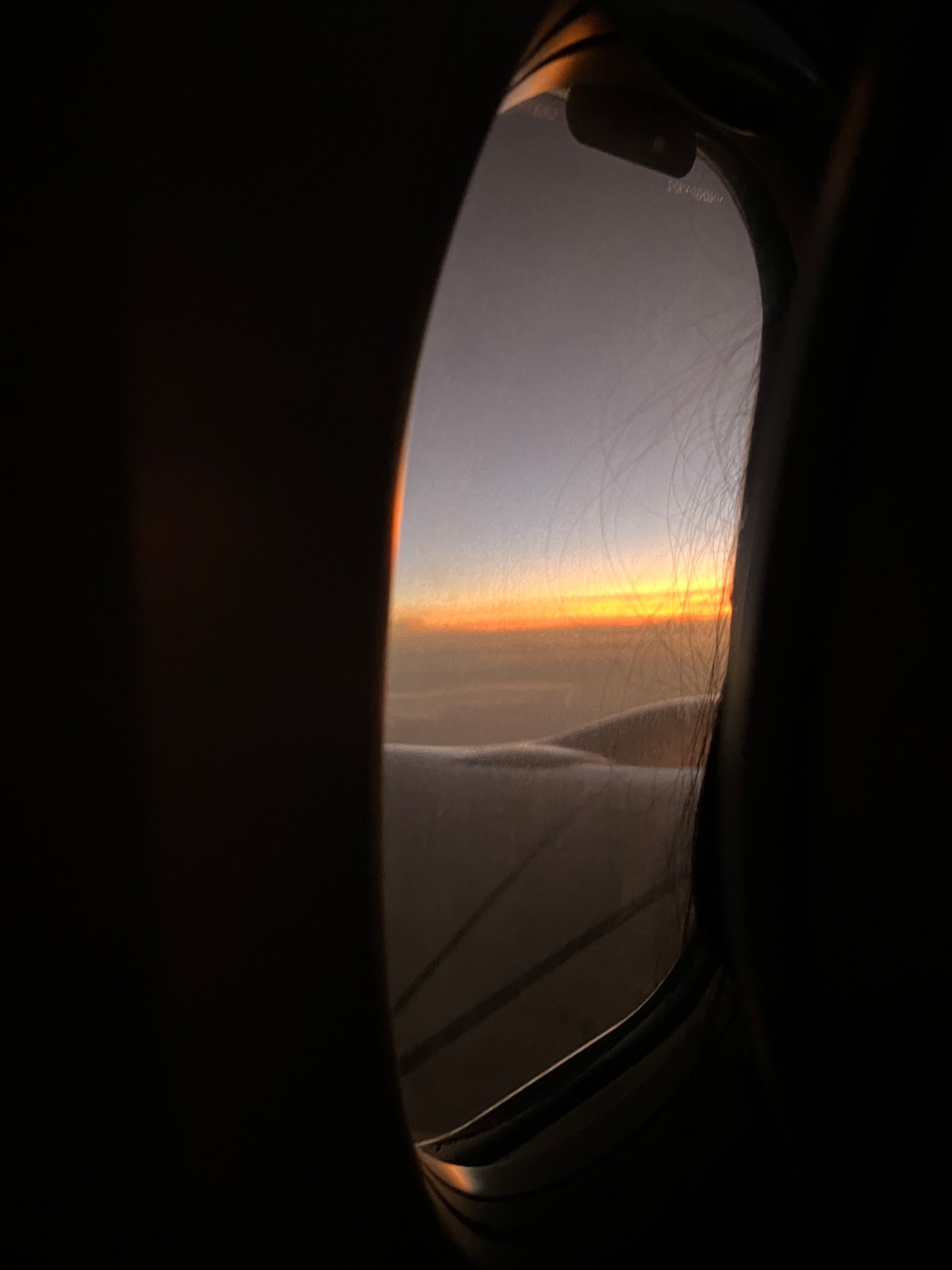
The hanging clouds felt quietened. Towards the east lay a serene horizon with soft hues of orange, yellow, and blue blending at sunrise. I wondered if morning had come for me as well, as I reached for my phone in my bag to take a snapshot of this promise. Instinctively, I knew we were about to land; the aircraft felt engaged with activity. I glanced at my seat partner—she seemed to be packing up. My hand still searching in my bag, it suddenly registered in horror that my phone was missing. Panic rose as I feared I had lost it in the chaos. My seat partner smiled at me and asked what I was looking for. I said, ‘My phone.’

She offered suggestions of where it might be and asked if I had searched my bag. I stood up, now fully alert, to search the crevices of my seat, but it wasn’t there. With heightened senses, I suspiciously reached for my bag and searched through it again, and found my phone nestled in my laptop pocket.

‘Found it,’ I said tiredly, glancing in my seat partner’s direction. I owed her an explanation of what had happened with me, so I started with an apology. At the time, I didn’t realise the full extent of what had happened from my seat partner’s point of view. I had a faint memory of sitting in her seat. However, after I had offered my apology, she said they were only worried. Apparently, they thought I had just fallen asleep in her seat. When I asked how long I had been out ‘asleep‘ in her seat, she replied, ’10 minutes.’

As I opened my Notes app to journal about this experience, I thought about the fickleness of time. What is time if not a vessel for our experiences, bending and stretching to our perception, yet steadfast and unyielding as the world spins on, indifferent to our moments of stillness, angst or urgency?

This world is indeed ours; each individual experience adds up to the experience of the greater universe, and if not brought into the experience of another by a will of intention, the world spins on, unaffected, unaware of said experience. My seat partner could have become aware of the severity of the situation if the aircraft had landed and I had still not stirred.

‘Have you fastened your seatbelt?’ my seat partner’s voice snapped me back to reality from my wandering thoughts. I glanced down at my lap and noticed my seatbelt was unfastened.

I wore my seatbelt and prepared for landing.


Categories
Failing well Reflections Slow down vulnerability Work

The Fear We Carry: A Guide to Reclaiming Confidence Through Vulnerability and Action

I’m taking a mini detour from my series on Understanding Responsibility and the Impact of Actions to write on confidence.

It starts with fear. ‘I can’t do it,’ the voice in our head whispers. The mind hesitates and almost stutters out a ‘but…,’ but the voice continues with a more trivial reason ‘I am not tall enough, they need six feet, I’m only 5.6.’ ‘I’m shy.’ ‘I’m socially awkward.’ ‘They’ll come to see me as who I am — the impostor.’

And what’s more, the more we present this person to the world, the more we become it, the ‘socially awkward’ boy, the ‘not tall enough’ girl, ‘the impostor,’ and the list goes on. We are who we say we are.

If I didn’t define myself for myself, I would be crunched into other people’s fantasies for me and eaten alive.

Audre Lorde.

I have often dined with fear. It was my default reaction when I faced uncertainties; I know how crippling fear can be when we aren’t sure about anything; I can even describe the taste — salty, metallic, bitter — when fear becomes anxiety. I’ve found that this state of mind often leads to unhealthy reactions to situations.

Fear does not appreciate the light of awareness. When we call fear by its name, we acknowledge its presence, enabling us to approach the situation with vulnerability and proactivity in seeking solutions. Calling the problem its name allows one to start from a place of vulnerability and gratitude and arrive at forgiveness and clarity with trust in oneself.

Fear dampens confidence. When we let fear in, we become our fears, often hindering our ability to function in the presence of struggle. I’ve felt fear varying from ‘what if nobody wants to listen to me?‘ ‘what if I’m unable to provide for my family?’ I’ve found that in most situations, this fear has always been less about myself and more about others and what people will think.

I am careful not to personalise fear, for when I say ‘my fear,’ it becomes true — my fear. Instead, I express it as ‘I feel fear.’ ‘I have a fear.’ ‘The fear I’ve felt.’ This way, I’m acknowledging a state of emotion that isn’t identical with my identity. This approach helps me see this state as a visitor just here to visit, and should be on its way soon.

I have a fear, and I find that when this fear comes up in my head, I become less confident and start to stutter. The people closest to me could write a series about it. Others, however, remain oblivious unless I open up. Then, they struggle to fathom how someone perceived as ‘bold‘ as I could ever be shy.

People see me as extroverted and wonder what I mean when I mention that I struggle with talking. Just being able to articulate my thoughts and express them to others in a large social setting drains my body of energy. A colleague said it was difficult to believe I had such struggles because I didn’t show it, and I responded that I hid it well.

Each time I unmute my microphone, I battle between making my voice ‘heard’ enough and the voices in my head asking – ‘Is my voice strong enough?‘ ‘Am I making sense?‘ ‘Do these people want to listen to me?’ ‘Am I losing them?‘ ‘Uh oh, are they about to interrupt me? Have I stopped making sense?

So, when I started the new year, it wasn’t surprising that my journal entry was ‘I will use my voice more.’

I realise it is not easy to tell someone to be brave and confront their fears without telling them how to. The concept of bravery, as explored in my previous work, extends far beyond merely overcoming fear. At that moment, fear is all they can see; it is all that exists. I have been on both sides of the tunnel: the fearful person and the person dishing the advice. We must also remember to listen to ourselves when we dish out these bits of advice.

Whether you think you can, or you think you can’t — you’re right.

Henry Ford

If we surrender to fear, we remain where we are, stranded, stagnant. Someone who is afraid of taking the plunge to study for a new course that would take four years to complete because they think there’s no time is correct.

There’s no time if we say there’s no time. However, four years is always in the future and will eventually come. Start today, and in four years, this person will be on the verge of completion, but start later, and it will still take four years.

The next time the thought of fear comes, slow down to reflect on where you were several years ago. If you could have taken a step toward your goal back then, imagine where you could be now. Now, project yourself into the future and consider if you would regret not starting today. What’s the worst that can happen? Let these reflections spur you to action.

Fear blames because it needs an outlet to move responsibility away from the self. It finds another, who is responsible, constantly referring to the past or someone whose fault it is they can’t take responsibility in the moment.

Fear prolongs suffering.

Fear hinders our progression to the next stage. It presents a situation as ‘the obstacle,’ rather than puzzle pieces. It complicates matters, not just for us but for everyone in our lives.

Fear makes it difficult to stay grounded in the present, as it continually catapults us into a non-existing future, thus disabling our ability to see and appreciate what is happening in the present.

Many of us face fear; not even the CEO of the biggest company in the world is immune. We all have demons that keep us awake deep in the night and leave us restless long after sleep has fled. Those tiring days filled with wishes, prayers, hopes for things to be different, and anxiety about the future.

Yet, we are here, still grappling with fears, albeit new ones. If only we could look back in gratitude and see how far we’ve come.

‘beloved’ is both verb and noun, both identity and instruction. Fear is an affront to your spirit, so don’t be scared, be loved.

Moyosola Olowokure

The above quote illuminates love as the antidote to fear. When love takes over, everything feels alright — even though everything has always been okay — we just had not realised it.

Suddenly, everything becomes light and free. Freedom comes with love and clarity, bringing a new wave of confidence. We transform, becoming captivating with a new sense of allure, and in the process, we discover a new version of ourselves.

Fear is the greatest deterrent to confidence. Confidence is on the other side of fear; I searched for the synonyms and found the following:

assurance, self-assurance, self-confidence, self-reliance, self-esteem, boldness, certainty, conviction, trust, faith, positivity, poise, assertiveness, sureness, fearlessness, courage, self-trust, belief, security, composure.

The term ‘confidence‘ comes from the Latin word ‘confidentia,’ which means ‘trusting in oneself.’

Many people have reached where we aspire to be primarily because of how confident they are in themselves. They might not be more qualified than us, yet, like a butterfly with its vibrant and bold display, their confidence is immediately captivating.

Charmed by the butterfly’s radiance, it’s easy to overlook the reticent worker bee diligently making honey or the unassuming wallflower producing nectar. Yet, it’s important to remember the butterfly itself isn’t the source of the nectar enhancing its allure.

We must remember that hard work, resilience, and talent form the basis for long-lasting confidence.

By recognising our fears and calling them by their name, we bring them into the light and take responsibility for them.

We take responsibility by first slowing down to give gratitude for where we are coming from and the clarity of knowing that something is wrong and then committing towards bringing ourselves to the spotlight through curiosity and an action plan.

In my case, I began to assert myself more within my circles. In my community, I started leading some of the weekly meditation and Sunday gratitude sessions on ClubHouse. I also started participating more in the conversations. I’m not there yet, but I’m using my voice more.

Growth is uncomfortable; it’s like working a tight muscle until it stretches. I remember feeling uncomfortable the first time I turned on my camera during a video call. Now, it feels awkward to have a call with the camera off.

When we can address fear by its name, we’ve taken the first step towards light, and thereon, we can find ways to work out a solution. In time, we realise that it isn’t even all that bad.

In the words of Moyosola Olowokure, ‘Fear is an affront to your spirit. be loved.’

Fear is passive, stagnating our spirit, while love and confidence—emotions synonymous with action—propel us forward. Fear avoids action, whereas our spirit inherently thrives on doing. As we immerse ourselves in action and curiosity, we push back against fear until it becomes a mere shadow and a distant memory.

As Sang Zhi aptly puts it in my recent favourite series, ‘Hidden Love,’ ‘after all the bad things are over, all that is left are the good things. So, from now on, you must be even more certain that you are the best.’

You must be kinder to yourself. Affirm this to yourself that you are the best in the world, and no one can tell you otherwise.

Thank you so much for taking the time to read this piece. What fears do you carry with you? More importantly, what strategies have you found effective in combating these fears? Please, share your experiences and insights in the comment section. Your story might be the encouragement someone else needs.

Categories
Becoming Mindfulness vulnerability

Breaking Free from Biases: A Journey of Self, Forgiveness and Growth

When we say ‘forgiveness,’ we often forget that forgiveness should start from within. For us to forgive another, we must first forgive ourselves.

We don’t realise how much bitterness and resentment we hold within ourselves until we face a similar situation. Over time, this bitterness grows into fear, walls, and biases, making it challenging to embrace a different path. But to move on, we must first forgive ourselves.

To forgive ourselves, we must first acknowledge what happened. Sometimes, these mistakes are not ours to bear; however, because of the expectations we place on ourselves to be perfect, we fail to see past the current situation. We say to ourselves, ‘never again,’ and shut ourselves off. Because we never confronted the first situation, we may find history repeating itself as this bitterness grows deep and imprints itself into our hearts, creating burdens we need to release.

Years later, we become a product of our traumas, unaware that we hold these biases unless someone calls them to our attention.

Some years ago, my friend called my attention to a prejudice I held so tightly that I didn’t even realise it was there.

What are the beliefs we hold as truths that are actually prejudices?

Just because I’ve had similar experiences with people of a certain gender in the past doesn’t mean every individual of that gender will act the same way in the future.

What happens with biases is that when we hold on to them so tightly, we close ourselves off from a part of the world. In my case, any man driving a car who stops me on the road must want something more. I couldn’t believe I held on so tightly to this mindset, thinking it was the absolute truth. I even mentioned this to my sister on our walk.

How long had I closed myself from love, friendship, or connection because of this bias?

I wept when I finally faced the truth I had been trying so hard to avoid because I felt so guilty that I had to talk to my friend about it. I let myself cry for all the hurt I’d been holding onto; for not loving myself enough to realize that I needed to forgive myself, and for being rude to a stranger whose only crime was stopping me on the road to ask for my friendship.

What follows from here is love, lessons, forgiveness, and self-compassion; love and forgiveness that comes from within; lessons learned from the incident; and a promise to be more open-minded. In this experience, we remember to be kind to ourselves as we work on moving forward.

‘We are a product of our traumas,’ my friend, Biodun, says. ‘Our traumas shape us and make us who we are.’

Imagine we give ourselves time, love, and care to forgive ourselves, learn from our situations, and move forward. Imagine we acknowledge that it is not our fault that these traumas happened to us. And imagine we write the future with so much love bursting through us as a byproduct of the lessons we learned and the love we allowed ourselves to feel and produce when we didn’t let that incident define us. We become love, telling love stories with kindness, passion, and sincerity towards others we meet on our way.

Categories
Reflections vulnerability

What pain is teaching me about time

Pain.

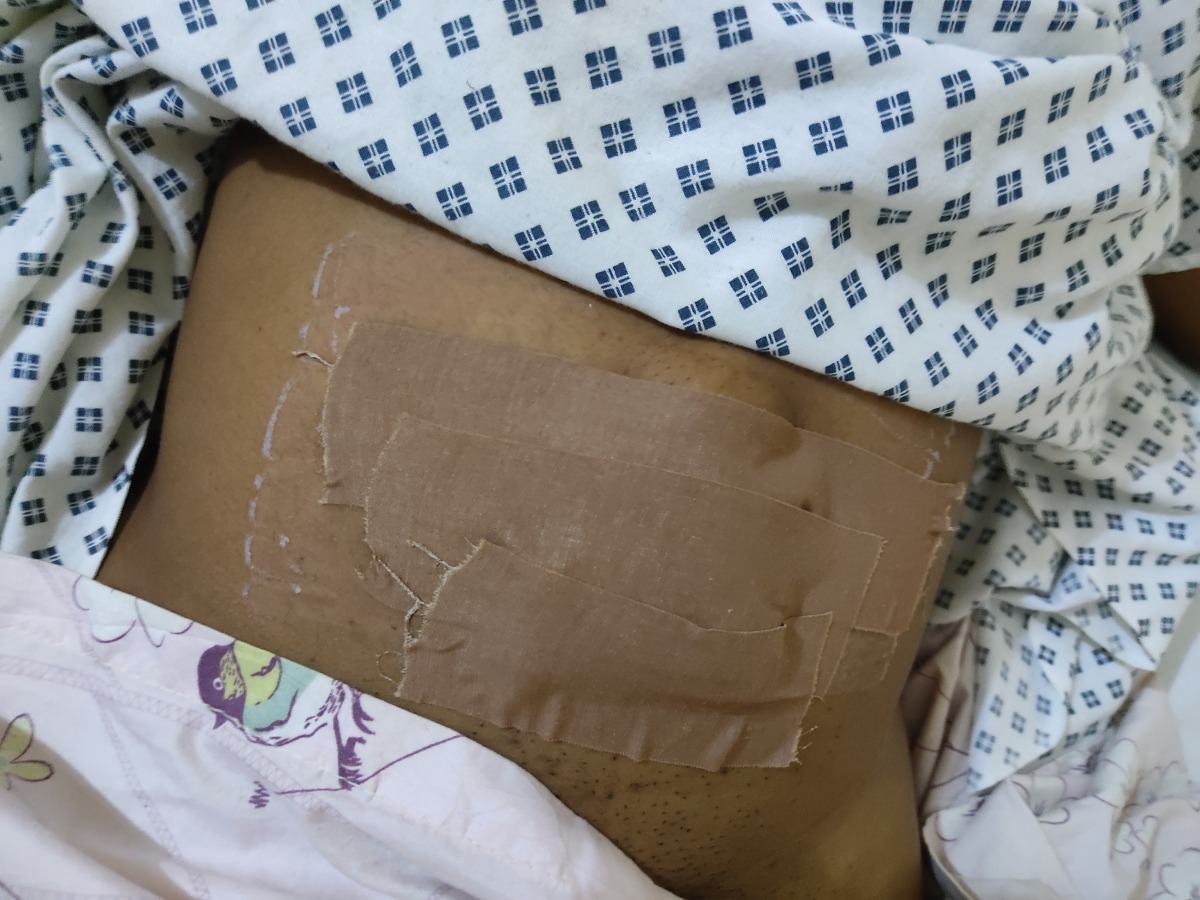
I had never really thought about this until I came to from my unconsciousness with blinding pain. ‘Where is my stomach?’, my partner said I’d mumbled to nobody in particular in the mumbo jumbo slurred speech of someone who was still under the influence of anesthesia.

Where was my stomach indeed?

Shalvah had read out every nonsense I’d said in the post-op room to me, and we’d laughed about it, but the more I think about it, the more I realize something new from that experience – my experience. 

I was getting to know more of myself through my wounds, through my scars, through my pain.

Before this operation, right before I had the excruciating pain from my hernia – when my outie was still really big, I think. I’d thought of my belly button as a scar. A scar that I thought came from the carelessness of the nurses who helped deliver me.

My belly button gave me my nickname in secondary school – ‘big dodo’, which translates to ‘big navel.’ I hated that nickname and felt embarrassed that I’d cover it up by wearing oversized T-Shirts, skirts up until my navel, and girdles that held my belly button in place and made it less obvious that I had a ‘scar.’

It wasn’t until late 2019 that I decided not to give a care about people’s thoughts regarding my outie. I was going to embrace my scar and see it as a part of me. I was going to show it off. And yes, I did show it off on my Instagram stories, photos of me in my workout suit, flanking my outie belly button until I felt the worst pain shoot through the insides of my stomach. No, this should be fine, I’d thought. It wasn’t the first time I was having abdominal pain.

But this was a different kind of pain. This pain did not stop. It choked me, and at a point, I thought I could not breathe. Was this an aftermath of covid? I booked a Bolt ride to the hospital, and one look at my belly button, the doctor confirmed my fears. ‘It’s an umbilical hernia. We need to take it out.’

Lying in the hospital bed, I’d wondered about pain, about scars, about time. This year has dealt me some numbers. 

Right from the call I got on January 4th, 2021 that I tested positive to Covid-19, to moving to the isolation ward to spending 14+ days with other covid positive patients, to losing my sense of smell and regaining it shortly after, and coming home to having the worst fever and losing my sense of smell again and wondering if this was it. 

There were a lot of questions. 

Was I ever going to get better? 

Was I ever going to see the outside world again?

Was I going to die? I mean, I’m not different from others who lost their lives to this deadly virus. What was going to happen to me, I thought as I downed the drugs recommended for me. 

When I think about pain, I think about my trips to the toilet at the isolation centre with my perfume, spraying it close to my nostrils, and willing myself to smell again. 

When I think about pain, I think about the pills I took during covid and the side effects I got from taking them. I think about the muscle aches I endured and the numbness that took hold of the left part of my body for over a week.

I think about the constant pressure on my left chest and the nights that I stayed awake wondering if I was about to have a stroke or a heart attack or if I was having a pulmonary embolism. Yes, I Googled my symptoms. 

I think about my early morning trips to UCH Ibadan, scared about the long queue and screaming at a doctor that I found strolling that I had an emergency and needed medical attention fast! I was having a heart attack, I said to him. I walked into the emergency quarters and had a chest x-ray and an ECG. Everything looked normal on paper, but what was this pain? What was wrong with me? 

I think about how shortly after I’d tested negative to Covid-19, I’d developed another cough, the worst, and wondered if this was it again. I think about the number of antibiotics I had taken before the sputum test results that showed I had streptococcus pyogenes and, I wonder if I’d somehow cursed this year and brought this entire ordeal upon myself.

I had thought so much about time and death. I used to be a part of a group that comes together every last Sunday of the month to discuss death, and you would think that this would have made me ready to be unafraid of death.

But, I have anxiety just by thinking about the thought of dying. I lost my mum when I was fifteen, and I am not entirely sure if I’d completely gotten over her death. My grandmother and great grandmother died around the same time last year, and my dad’s elder brother died last December.

I am not unafraid of death. I fear pain the same way that I fear the thought of getting sick.

I am scared. 

My stomach hurts so bad I think it’s about to split into two, and my right arm is swollen and painful that I wonder if I’m having a DVT

My thoughts about time have shifted a bit from ‘with all the time we have,’ to never existent. Please, hear me out. I spent almost 18 days at the isolation centre, and those days didn’t feel any different to me. It felt like I was living the same day over and over again. 

Mike Quigley wrote, ‘Once you’ve stared death in the face, every day is a good day.’ These days, I am intrigued by time, and I think a lot about the question, ‘What is the time?’

Does time matter when we can’t do those things we used to do because of ill health, or God forbid when we are staring death right in the face? 

Then, the question, ‘What time is it?’ wouldn’t matter again, because, then, time becomes one long string of never-ending nows. 

I’m still trying to figure out time and why we say we don’t have enough of it. In my theory, time doesn’t exist, and yesterday is the mind as it remembers, and tomorrow is the mind as it anticipates – I’m not sure whose philosophy this is again. 

If this is true, I wonder if the mind ever survives time.